
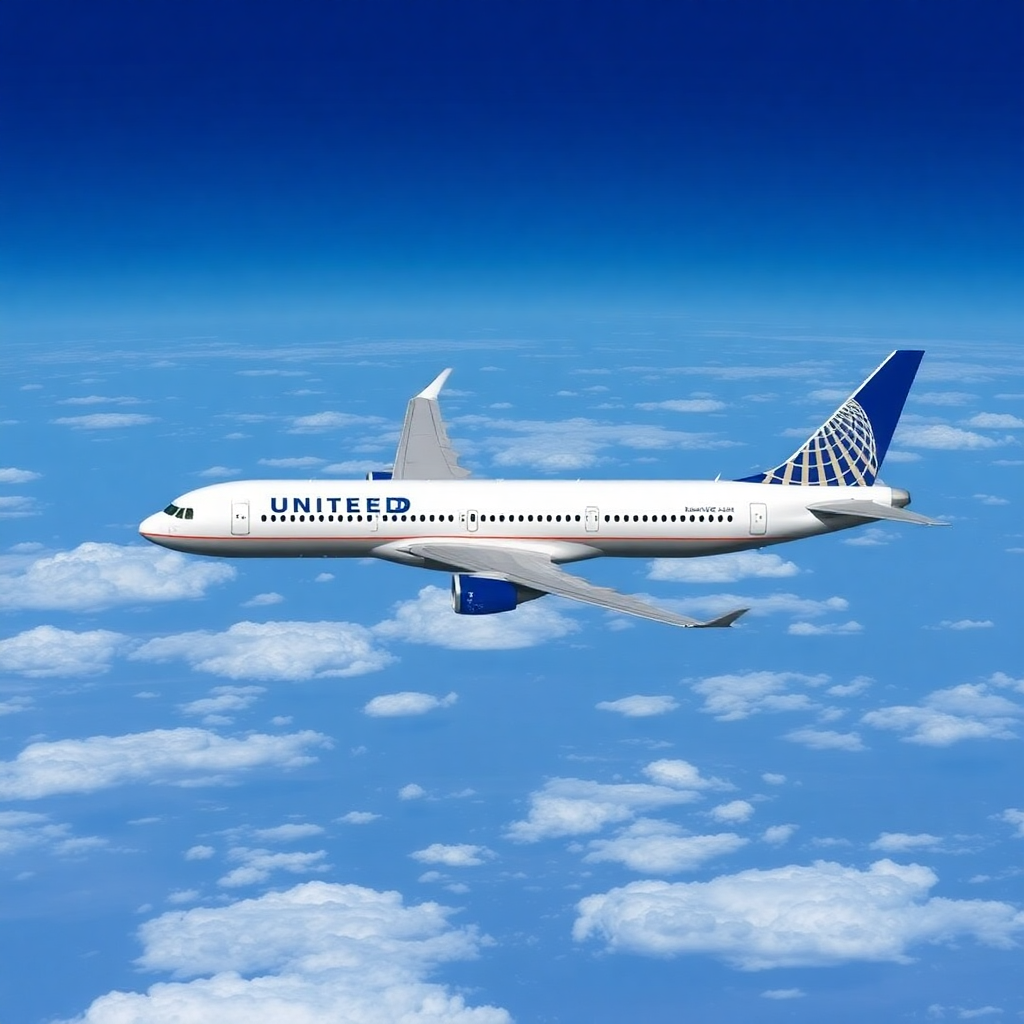
Overview of United Airlines Flight UA770 Incident
The United Airlines flight UA770 emergency diversion has recently drawn attention from travelers and aviation watchers after the aircraft was forced to land at an alternate airport. While emergency diversions can raise concern among passengers, they are a standard safety measure in commercial aviation and are handled under strict operational protocols.
This incident highlights how airlines respond swiftly to unexpected situations and why diversions are an important part of maintaining flight safety.
What Is an Emergency Diversion in Aviation?
An emergency diversion occurs when a flight is unable to continue safely to its scheduled destination and must land at another airport. These decisions are made by pilots in coordination with air traffic control and airline operations teams.
Emergency diversions can happen for a variety of reasons, including:
- Medical emergencies onboard
- Mechanical or technical alerts
- Weather-related disruptions
- Cabin safety concerns
- Operational or security issues
In the case of the United Airlines flight UA770 emergency diversion, the aircraft followed established safety procedures designed to protect everyone onboard.
Possible Reasons Behind the UA770 Emergency Diversion
Although airlines do not always immediately release detailed information, most diversions fall into predictable categories.
Medical Situations
Medical emergencies are one of the most common causes of diversions. If a passenger or crew member requires urgent medical attention, pilots may choose the nearest suitable airport for landing.
Mechanical or System Warnings
Modern aircraft are equipped with advanced monitoring systems. Even precautionary alerts can trigger a diversion if pilots believe further inspection is necessary before continuing the journey.
Weather and Environmental Factors
Unexpected weather changes, strong winds, or reduced visibility at the destination airport can make landing unsafe, prompting a diversion.
Cabin or Operational Concerns
Issues such as unusual smells, pressurization warnings, or equipment irregularities may also lead to a precautionary landing.
The United Airlines flight UA770 emergency diversion likely followed one of these established aviation safety scenarios.
How United Airlines Responds to Emergency Diversions
United Airlines follows strict international safety guidelines when handling diversions. Once a diversion decision is made, the crew communicates with passengers and prepares for landing at the alternate airport.
Typical response steps include:
- Continuous assessment by the flight crew
- Coordination with air traffic control
- Emergency services are on standby at the landing
- Passenger assistance after arrival
Following the United Airlines flight UA770 emergency diversion, travelers may have experienced delays or rebooking, but these actions ensure safety remains the top priority.
Passenger Impact and Travel Disruptions
Emergency diversions can be inconvenient for passengers, often leading to missed connections or longer travel times. Airlines usually provide rebooking options, accommodation support when required, and customer service assistance to minimize disruption.
Although frustrating, these situations demonstrate the airline’s commitment to safety rather than schedule adherence.
Why This Incident Is Important
The United Airlines flight UA770 emergency diversion serves as a reminder that aviation safety systems are proactive, not reactive. Diversions are not signs of failure but evidence that pilots and airlines are making conservative decisions to avoid risk.
Each incident helps improve future operations and reinforces trust in commercial aviation standards.
Final Thoughts
Emergency diversions are an essential part of modern air travel. The situation involving United Airlines Flight UA770 underscores how quickly airlines can adapt when conditions change mid-flight. While unexpected, such diversions ultimately reflect a safety-first approach that protects passengers, crew, and aircraft.