
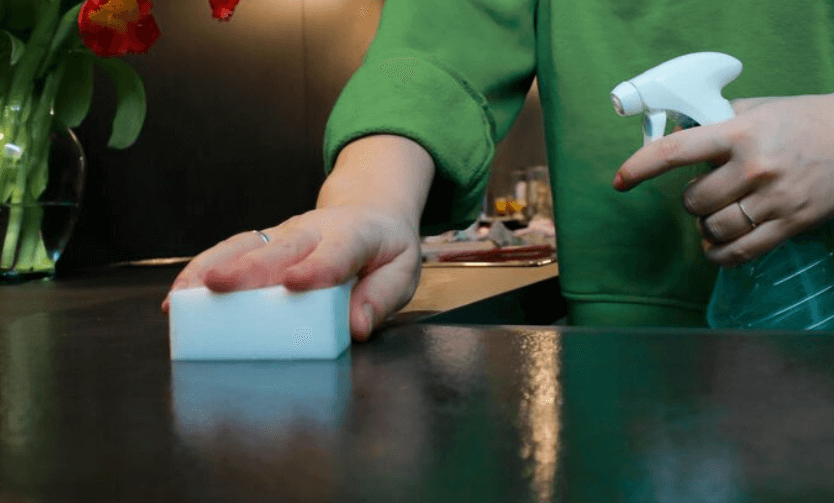
Keeping your Product Name Cleaning Best Practices in top condition isn’t just about appearance—it’s about performance, safety, and longevity. Whether you’re maintaining a household item, professional equipment, or a specialty product, following product-name cleaning best practices ensures it continues to work as intended while avoiding unnecessary wear or damage.
This guide walks you through smart, safe, and easy-to-follow cleaning strategies that anyone can apply. With the right approach, cleaning becomes less of a chore and more of a value-adding habit.
Why Proper Cleaning Matters More Than You Think
Cleaning isn’t just cosmetic. Over time, dirt, residue, and contaminants can interfere with a product’s function. In some cases, improper cleaning methods can even shorten a product’s lifespan or void warranties.
Effective cleaning:
- Preserves functionality and efficiency
- Prevents buildup that may cause damage
- Improves hygiene and safety
- Enhances the overall user experience
By using the right techniques and materials, you protect both your investment and your peace of mind.
Product Name Cleaning Best Practices for Daily Maintenance
Daily or routine maintenance is the foundation of good care. Light but consistent cleaning prevents stubborn buildup and reduces the need for aggressive methods later.
Start by reviewing any manufacturer guidelines that came with the product. These often specify approved cleaning agents and techniques. In general, use soft cloths, mild cleaners, and gentle motions. Avoid abrasive tools unless they’re explicitly recommended.
Consistency is key. A few minutes of proper cleaning after use can save hours of deep cleaning down the line and help maintain peak performance.
Choosing the Right Cleaning Materials
Not all cleaning products are created equal. Some chemicals may be too harsh and can damage finishes, seals, or sensitive components. When selecting cleaning materials, opt for:
- Non-abrasive cloths or sponges
- pH-neutral or mild cleaning solutions
- Tools designed specifically for delicate surfaces
Always test new cleaners on a small, hidden area before applying them widely. This simple step can prevent costly mistakes.
Product Name Cleaning Best Practices to Avoid Common Mistakes
One of the most overlooked aspects of cleaning is knowing what not to do. Common mistakes include using excessive water, applying too much force, or mixing cleaning chemicals.
Avoid soaking the product unless it’s designed for that purpose. Excess moisture can seep into internal components, causing long-term issues. Similarly, harsh scrubbing may remove protective coatings or scratch surfaces.
Patience is part of good cleaning. Let cleaners do the work instead of forcing results with aggressive methods.
Deep Cleaning Without Damage
Occasional deep cleaning is necessary, especially for heavily used products. The key is being thorough without being destructive.
Break the process into steps:
- Remove loose debris first.
- Apply the appropriate cleaner.
- Allow it to sit briefly (if recommended)
- Gently wipe and dry completely.
Following product name cleaning best practices during deep cleaning helps restore the product without compromising its integrity.
Creating a Long-Term Cleaning Routine
A routine turns best practices into habits. Decide how often the product should be cleaned based on how frequently it’s used and the environment it’s in.
Create a simple checklist and keep it accessible. This not only ensures consistency but also makes cleaning feel manageable instead of overwhelming.
Regular care reduces repair costs, extends product life, and keeps everything looking and working its best.
Final Thoughts
Cleaning doesn’t need to be complicated to be effective. With the right mindset, materials, and routine, you can protect your product and enjoy reliable performance for years. By sticking to proven methods and avoiding common pitfalls, product name cleaning best practices become second nature—saving you time, money, and frustration in the long run.