
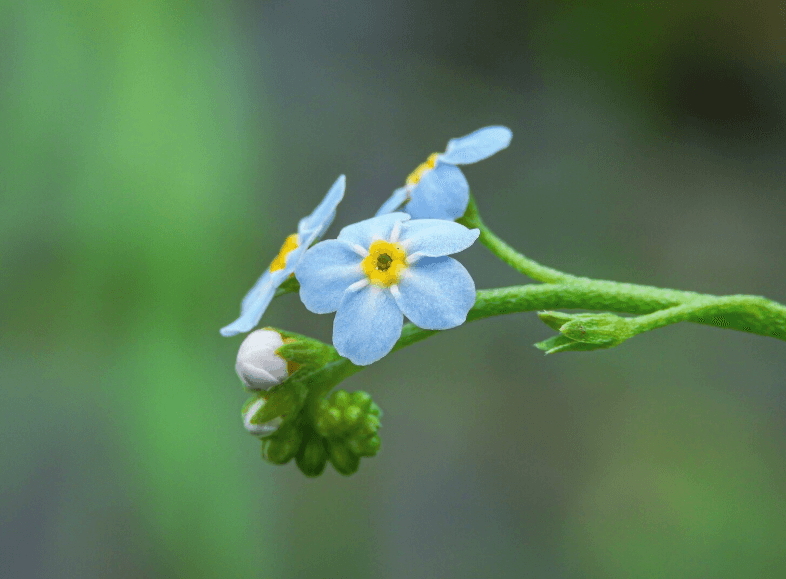
When people think of Idaho, images of rugged mountains, clear rivers, and wide-open landscapes often come to mind. But beyond its dramatic scenery, the state also has a delicate botanical symbol that represents its natural charm and heritage. The Idaho state flower is the syringa, a fragrant white blossom with deep historical and cultural significance in the Gem State.
Introduction to Idaho’s Floral Emblem
The syringa, also known as mock orange (Philadelphus lewisii), was officially designated as Idaho’s floral emblem in 1931. Native to the northwestern United States, this flowering shrub thrives in Idaho’s climate and landscapes. The Idaho state flower was chosen not only for its beauty but also for its resilience and strong connection to the state’s early settlers and natural environment.
Syringa bushes are commonly found along riverbanks, forest edges, and rocky slopes, making them a familiar and beloved sight for Idaho residents. Their sweet, citrus-like fragrance and elegant white petals symbolize purity, endurance, and simplicity.
What Is the Syringa Flower?
Syringa is a deciduous shrub that typically blooms in late spring and early summer. Its flowers are white or cream, with four delicate petals surrounding a cluster of golden-yellow stamens. The plant can grow anywhere from 6 to 15 feet tall, depending on growing conditions.
Unlike the lilac plant (which is also sometimes called syringa in other regions), Idaho’s syringa is an entirely different species. Mock orange earned its nickname due to its orange-blossom-like scent, which becomes especially noticeable during peak bloom season.
Historical Significance of the Syringa in Idaho
The history of the syringa flower in Idaho dates back to Native American tribes and early pioneers. Indigenous peoples valued the plant for its hardwood, which was used to make tools, arrows, and bows. Early settlers admired the shrub for its toughness and ability to flourish in challenging environments.
In the early 20th century, schoolchildren across Idaho voted to make syringa the state flower, reflecting a grassroots appreciation for this native plant. When it was officially adopted, the Idaho state flower became a symbol of unity, strength, and natural beauty.
Where the Syringa Grows in Idaho
Syringa grows abundantly throughout Idaho, particularly in the northern and central regions. It prefers well-drained soil and moderate sunlight, often flourishing near streams and open woodlands. Because it is drought-tolerant once established, it has become a popular choice for native landscaping and conservation projects.
Gardeners and nature enthusiasts appreciate syringa for its low maintenance needs and its ability to attract pollinators such as bees and butterflies. Its adaptability makes it a perfect representation of Idaho’s diverse ecosystems.
Cultural and Symbolic Meaning
The syringa is often associated with renewal, resilience, and quiet strength. These qualities closely align with Idaho’s identity and the spirit of its people. The flower’s brief but stunning bloom season reminds many residents to appreciate natural beauty while it lasts.
Today, the Idaho state flower is featured in educational materials, tourism promotions, and state symbolism. It serves as a reminder of Idaho’s commitment to preserving native plants and honoring its natural heritage.
Why the Idaho State Flower Still Matters Today
In an era of environmental awareness, the syringa stands as an example of the importance of native flora. Choosing indigenous plants helps maintain ecological balance, conserve water, and support wildlife. Schools and conservation groups often use the syringa as a teaching tool to encourage environmental stewardship.
As Idaho continues to grow and develop, its state flower remains a constant link to the land’s original beauty and history. The Idaho state flower is more than just a symbol—it’s a living part of the state’s identity.
Conclusion
The syringa flower beautifully captures Idaho’s essence through its elegance, resilience, and deep-rooted history. From its natural habitats along rivers to its role in state symbolism, this native bloom continues to inspire pride among Idahoans. Whether admired in the wild or cultivated in gardens, the syringa remains a timeless emblem of Idaho’s natural charm and enduring spirit.